


دراسة حالة خط بثق القناة الكهربائية PVC لمشاريع البناء في تونس
نشرت في: August 17, 2026
تتطلب سوق البناء وخدمات البناء في تونس أنظمة قنوات كهربائية للمباني السكنية والمرافق التجارية ومشاريع البنية التحتية.إنتاج العديد من أحجام قنوات PVC على خط طحن مرن يمكن أن يساعد في تلبية متطلبات حماية الكابلات المختلفة.
لذلك، خططت شركة تونسية لتصنيع أنابيب البلاستيك لتوسيع قدراتها الإنتاجيةخط طحن أنابيب PVC لتصنيع القنوات الكهربائية.
لم يكن الشرط الرئيسي مجرد زيادة القدرة الإنتاجية، ولكن لتهيئة خط قادر على إنتاج مواصفات مختلفة للأنابيب لمختلف تطبيقات المباني.
العميل هو شركة تونسية مصنعة أنابيب بلاستيكية توفر منتجات PVC لمشاريع البناء المحلية والتركيبات الكهربائية.
تركز إنتاجها الحالي بشكل رئيسي على أنابيب PVC التقليدية. مع زيادة الطلب على القنوات الكهربائية ، خطط الشركة المصنعة لإضافة منتجات القنوات الكهربائية PVC إلى مجموعة منتجاتها.
المنتجات المستهدفة شملت مختلف أقطار القنوات وسمك الجدران ل:
- الأسلاك السكنية
- المباني التجارية
- المنشآت الكهربائية
- حماية الكابلات
- مشاريع البناء
لذلك كان العميل بحاجة إلى نظام طحن يمكن أن يدعم مواصفات المنتجات المتعددة.
قبل شراء المعدات الجديدة، واجه الشركة المصنعة العديد من تحديات الإنتاج.
مشروعات التثبيت الكهربائي لا تتطلب دائمًا نفس قطر الأنابيب. كان العميل بحاجة إلى إنتاج عدة أحجام قنوات PVC باستخدام نظام إنتاج قابل للتكوين.
يحتاج قناة الكهرباء من البلاستيك إلى قيادة القطر الخارجي وسمك الجدار بحيث يمكن استخدام الأنابيب النهائية مع الأدوات المقابلة وأنظمة التثبيت.
يتطلب التغيير بين مواصفات مختلفة للأنابيب محاكاة التطويق المناسبة ومكونات المعايرة.
كما أراد العميل تقليل التعامل اليدوي غير الضروري من خلال دمج التطويق والتبريد والانسحاب والقطع في عملية إنتاج واحدة مستمرة.
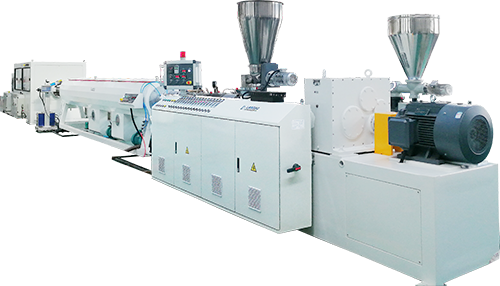
تم تكوين المشروع حولخط طحن أنابيب PVC للأنابيب الكهربائية.
المعدات الرئيسية شملت:
نظام تغذية PVC → محرك طحن مزدوج → محرك تشغيل الكهرباء → خزان معايرة فراغ → خزان تبريد → سحب → آلة قطع
كل قسم يؤدي وظيفة محددة في عملية الإنتاج.
تقوم محرك التفريغ المزدوج بمعالجة مركب PVC وتسليم المادة المسطحة باستمرار إلى الطلاء.
تشكل القوالب قطر الأنابيب المطلوب وهيكل الجدار. يمكن أن تستخدم مواصفات مختلفة للأنابيب الأدوات المقابلة.
يساعد نظام المعايرة في تحديد القطر الخارجي المطلوب وطول الأنابيب بعد التطويق.
قسم التبريد يزيل الحرارة من قناة PVC ويساعد على الحفاظ على أبعادها.
سحب الجهاز يستمر في سحب الأنابيب من خلال قسم التبريد. يتم تنسيق سرعتها مع عملية التطويق.
وحدة القطع تنتج قنوات كهربائية من البلاستيك ذات الطول الثابت وفقا لمواصفات المنتج المطلوبة.
أحد المتطلبات الرئيسية للمشروع التونسي كانت القدرة على تصنيع أحجام مختلفة من القنوات الكهربائية.
بدلاً من تصميم خط منفصل تمامًا لكل حجم ، تم تكوين نظام الإنتاج حول الأدوات القابلة للتبادل ومعلمات العملية القابلة للتعديل.
وتضمنت العوامل الرئيسية للانتقال:
| منتج | التعديل |
|---|---|
| غليان القمع | يتم تغييرها وفقًا لقطر القناة |
| مكونات المعايرة | مطابقة لحجم الأنابيب |
| ظروف التبريد | يتم تعديلها وفقًا لسمك الحائط والقطر |
| سرعة الإقلاع | متطابقة مع إنتاج التطويق |
| طول القطع | تم تعيينها وفقا لمتطلبات المنتج |
هذا التكوين سمح للمصنع بتنظيم الإنتاج وفقًا لمواصفات مختلفة للأنابيب الكهربائية.
تتبع عملية تصنيع قنوات الكهرباء من البلاستيك تسلسلًا مستمرًا:
يتم نقل مركب PVC إلى نظام الطحن.
المكبّر المزدوج يذوب ويمكّن المادة من التبسيط.
يمر ذوبان PVC من خلال مسطح القناة الكهربائية لتشكيل شكل الأنبوب الأولي.
يدخل الأنابيب الساخنة إلى قسم معايرة الفراغ لتحديد أبعادها المطلوبة.
يمر القناة عبر خزان التبريد لخفض درجة حرارته والحفاظ على هندسة الأنابيب.
السحب يستمر في سحب الأنابيب من خلال خط الإنتاج.
يتم قطع القناة النهائية إلى أطوال محددة مسبقا للتخزين أو النقل أو التثبيت.
بعد تشغيل خط طحن قنوات الكهرباء من البلاستيك، تمكن الشركة التونسية من تنظيم الإنتاج حول مواصفات قنوات متعددة.
وترتبط التحسينات الرئيسيةمرونة الإنتاج وتكامل العمليات:
- يمكن تخطيط أحجام قنوات متعددة من خلال تكوينات أدوات مختلفة.
- تم دمج التطويق والمعايرة والتبريد والانسحاب والقطع في عملية مستمرة.
- يمكن تعديل أبعاد الأنابيب من خلال أدوات وبارامترات عملية منسقة.
- يمكن إعداد قنوات كهربائية ذات طول ثابت لتطبيقات البناء.
- وساعد الشركة على توسيع نطاق منتجاتها من البلفيك لمشاريع التثبيت الكهربائي.
وكانت النتيجة هي إنشاء إنتاج أكثر انسجامًا مع متطلبات سوق البناء والأنابيب الكهربائية التونسية.
إن طحن PVC مناسبة للأنابيب الكهربائية لأن العملية يمكن أن تشكل باستمرار أنابيب ذات أبعاد محددة وهياكل الجدار.
بالنسبة للمصنعين الذين ينتجون مواصفات متعدد القنوات ، يمكن تكوين نظام التطويق وفقًا لما يلي:
- قطر الأنابيب
- سمك الجدار
- صياغة PVC
- إنتاج الإنتاج
- طول المنتج
- متطلبات المنتج المعمول بها
وهذا يجعل من التطويق طريقة إنتاج عملية للمصنعين الذين يوردون قنوات كهربائية من البلاستيك لبناء وتطبيقات حماية الكابلات.
هذا المشروع التونسي يوضح أن اختيار خط طحن للأنابيب الكهربائية من البلاستيك يجب أن يبدأمواصفات المنتج الفعلية، بدلاً من فقط إنتاجية الآلة المطلوبة.
العوامل الرئيسية هي:
مجموعة المنتجات → تصميم الطلاء → المعايير → التبريد → إزالة → القطع
بالنسبة للمصنعين الذين يخططون لإنتاج أحجام مختلفة للأنابيب الكهربائية ، يجب تكوين المعدات وفقًا لمدى القطر المطلوب وسماكة الجدار.
يمكن تطبيق نفس المبدأ أيضًا على إنتاج قنوات PVC للبناء السكني والمباني التجارية والمنشآت الكهربائية وتطبيقات حماية الكابلات المختارة.
يوضح المشروع التونسي كيفخط طحن أنابيب PVC للأنابيب الكهربائيةيمكن تكوينها لإنتاج مواصفات أنابيب متعددة.

